Contact Us
Reach out to our global team for a customized digital marketing solutions!





 2025/10/21
In today’s fast-paced digital landscape, marketers face the challenge of delivering seamless, personalized experiences across every touchpoint to meet evolving customer expectations. Omnichannel marketing has emerged as the gold standard for delivering these experiences, integrating online and offline channels to create a cohesive customer journey. This isn’t just a trend—it’s a necessity for building lasting customer relationships and driving brand growth.
So what makes omnichannel marketing so effective? Why is it preferred over traditional multi-channel tactics? And how can brands build a strategy that truly connects? This article unpacks the answers and offers a roadmap to creating a seamless omnichannel journey.
What is Omnichannel Marketing
Why Omnichannel Matters for Businesses
Primary Channels for an Effective Omnichannel Strategy and Their Roles in the Marketing Funnel
How to Build an Omnichannel Strategy That Delivers
Omnichannel Marketing is a customer-centric approach that integrates multiple channels— both online and offline. It aims to deliver a seamless, cohesive experience throughout the customer journey. Unlike traditional multichannel strategies, which treat channels like websites, social media, and physical stores as separate entities, Omnichannel Marketing ensures consistency in messaging, branding, and engagement across all customer touchpoints. By leveraging data and technology, a good Omnichannel Marketing strategy enables the creation of personalized, seamless experiences that resonate with target audiences—ultimately driving higher engagement and conversion rates.
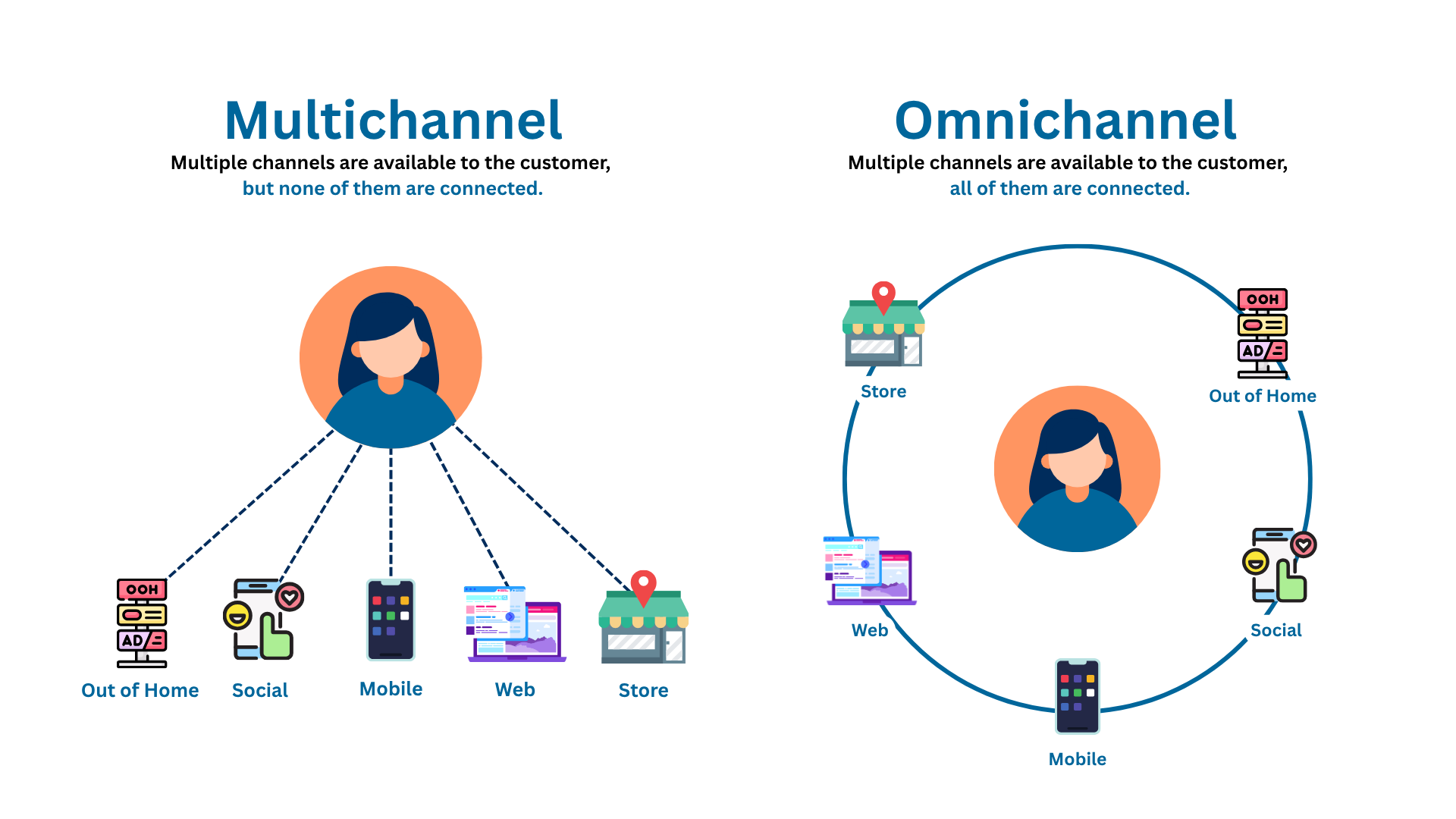
Omnichannel Marketing places the customer at the heart of every interaction, ensuring consistency whether they’re browsing a website, engaging on social media, or visiting a physical store.
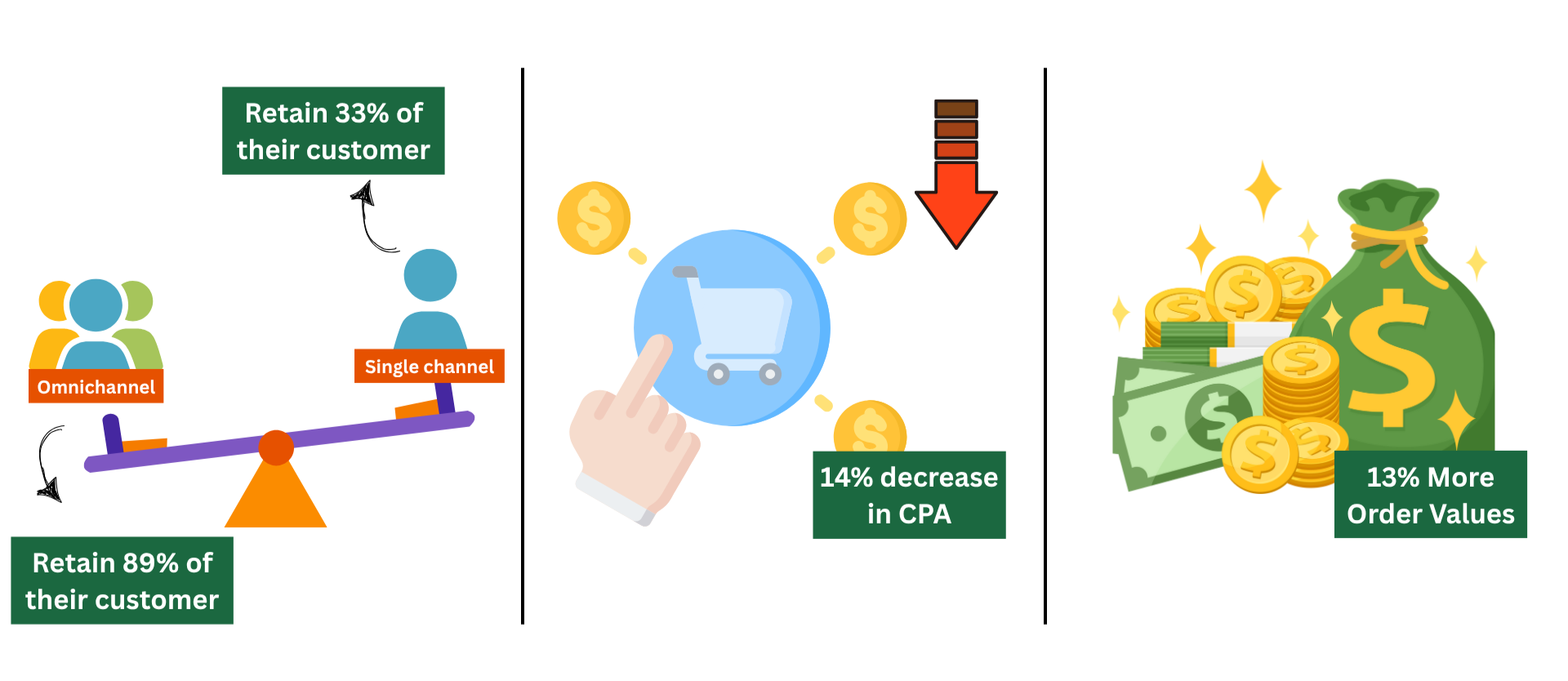
Researches show that omnichannel strategies deliver measurable results:
Improved Customer Retention: Companies with strong omnichannel strategies retain 89% of their customers, compared to 33% for those with weak strategies.
Enhanced Campaign Performance: Omnichannel campaigns result in 14% decrease in CPA.
Increased Revenue: Omnichannel campaigns yield 13% higher average order values.
Rapidly evolving digital trends and growing consumer demand for seamless experiences are reshaping the Asia-Pacific market, making Omnichannel Marketing more essential than ever. For example, Indonesian shoppers typically conduct online research before visiting physical stores, while Chinese consumers expect instant engagement through platforms like WeChat. By understanding these local nuances, businesses can design tailored experiences that truly resonate with their audiences.
3.1. Awareness Stage
3.1.1 Connected TV (CTV): Immersive Brand Storytelling
Connected TV, including platforms like Netflix, iQiYi, and MyTV Super, delivers premium, high-impact video ads to engaged audiences. CTV excels at building brand awareness through immersive storytelling during peak viewing times, such as evenings or weekends. CTV can effectively build brand and product visibility through immersive storytelling in the awareness stage, capturing attention in a TV-like environment. When paired with other channels, CTV primes customers for further engagement by creating top-of-mind recall, seamlessly guiding them to online touchpoints like mobile apps or social media for deeper interaction.
 Source: iQiYi
In-stream video advertisements featuring the refreshing drink brand Maidong (脈動) with vibrant visuals, boosting engagement and brand visibility with measurable impact.
3.1.2 Digital Out-of-Home (DOOH): High-Impact Local Reach
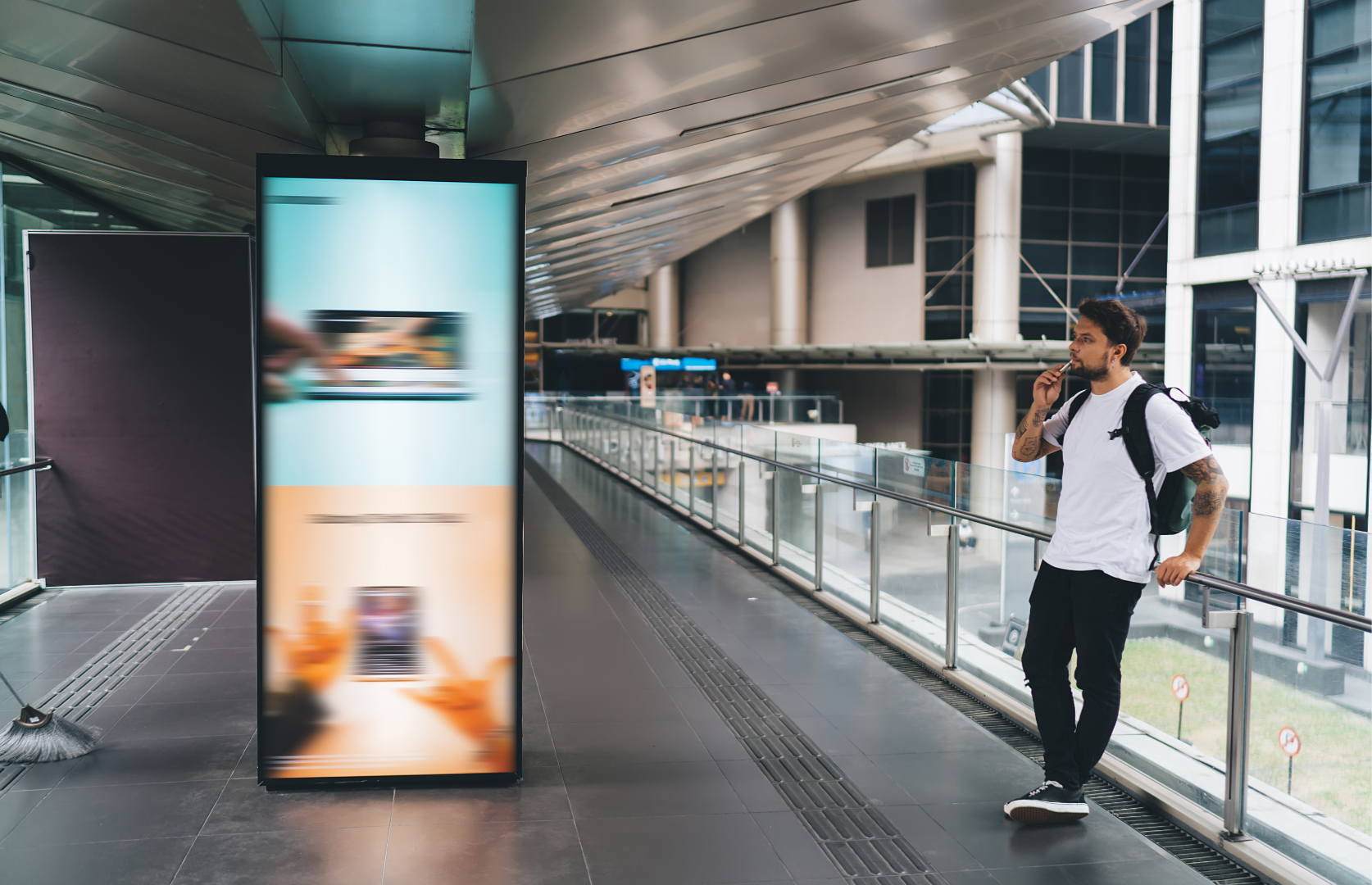
Digital Out-of-Home (DOOH), such as digital billboards and railway station panels, delivers high-visibility ads in physical spaces, ideal for targeting commuters in Asia-Pacific’s cities. DOOH excels in the awareness stage by introducing brands and products to new markets through its high-visibility, offline presence, perfect for broad exposure. Nowadays, programmatic digital outdoor advertising (pDOOH) has become more common; these ads leverage programmatic technology to offer hyper-targeting capabilities through geolocation, third-party data tracking, retargeting, and more. These outdoor ads complement online channels by driving offline awareness that prompts digital actions, such as scanning QR codes to visit a website or engaging with a social media campaign. This blend of physical and digital touchpoints ensures a fluid, location-relevant customer experience.
3.2 Consideration Stage
3.2.1 Social Media: Personalized and Interactive Engagement
Social media platforms like Instagram, Threads, TikTok, and Xiaohongshu are important for real-time, personalized engagement, driving authentic connections with audiences through dynamic, shareable content. Influencer partnerships further enhance this impact, as trusted creators and KOLs can authentically promote brands, build trust, and resonate with their followers. By leveraging AI-powered tools like KOOLER AI which features a database of over 200,000 influencers across social platforms, brands can streamline influencer partnerships and identify creators who authentically resonate with their target audiences.
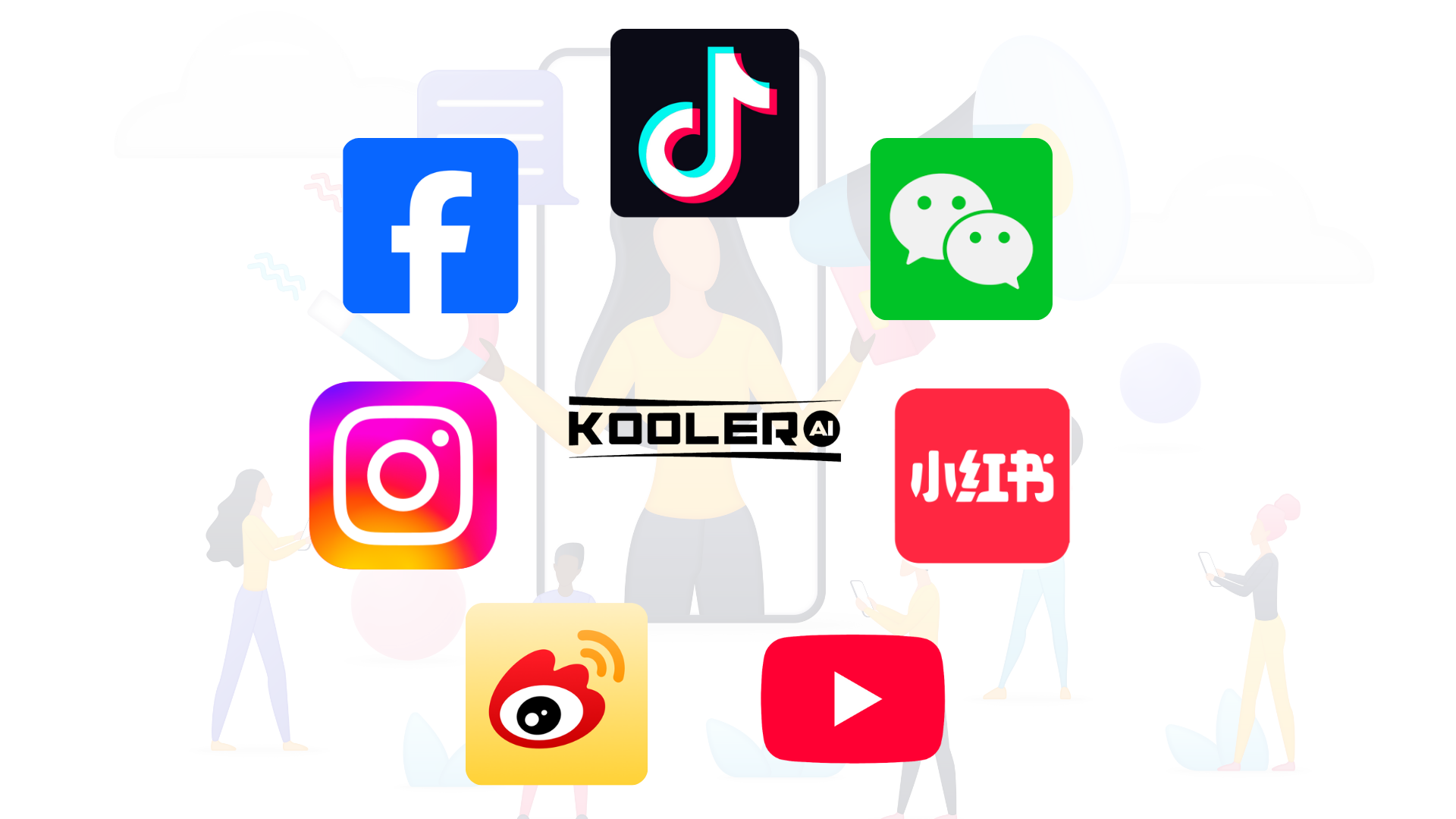 KOOLER AI supports KOL searching in 8 platforms across 10 Asia-Pacific regions.
3.2.2 Video advertising: Engaging and Dynamic Content
Video advertising, particularly on platforms like YouTube, offers dynamic, video content that captures attention and drives consideration. Video advertising has a great impact in the consideration stage by engaging users researching products, providing in-depth information through product demos, reviews, and tutorials to support purchasing decisions. By integrating video advertising with CTV, brands maintain consistent messaging across video platforms, ensuring customers experience a unified narrative whether they’re streaming on a smart TV or browsing on their phone. Ads can also link to e-commerce sites or social media, creating a smooth transition to purchase points, enhancing product discoverability, and trust in the merchandising journey.
 Enchanteur's campaign leveraged non-skippable YouTube bumper ads to target audiences interested in “Beauty” and “Sports,” specifically through beauty-related content.
3.3 Conversion Stage
3.3.1 Search Engine Optimization (SEO) and Search Engine Marketing (SEM)
Search Engine Marketing (SEM) plays a vital role in capturing high-intent users through platforms like Google Ads, driving immediate conversions. Meanwhile, Search Engine Optimization (SEO) enhances organic visibility, helping users discover products naturally and building long-term brand trust.
Within an omnichannel strategy, SEO acts as a connective thread—ensuring consistent brand presence across search engines, social platforms, email campaigns, and even physical retail. Optimized content and product pages serve as entry points that guide users seamlessly from discovery to purchase, regardless of where their journey begins.
By aligning SEM and SEO, brands create a unified experience: paid ads activate intent, organic results nurture engagement, and cohesive messaging reinforces trust across every channel.
3.3.2 Programmatic Display Ads: Targeted Visual Reinforcement
Display Ads, including rich media and banners served via ad networks like the Google Display Network (GDN) and demand-side platforms (DSPs) such as The Trade Desk (TTD), reinforce brand presence across websites and apps. Through programmatic retargeting, they re-engage users who’ve interacted with the brand—driving conversions by showcasing relevant products.
In an Omnichannel strategy, display ads align with social media and video touchpoints to deliver consistent visuals and messaging. This cross-channel reinforcement guides users from awareness to action—whether it's completing a purchase online or reserving a product in-store—creating a seamless merchandising experience.
 Programmatic ads enable cross-device delivery and precise targeting across multiple audience segments.
4. How to Build an Omnichannel Strategy That Delivers
Building an effective omnichannel strategy requires a blend of data, technology, and cultural insight. Here are the core components:
4.1 Data-Driven Personalization
Utilize advanced analytics to gain deep insights into customer preferences and deliver highly tailored recommendations that meet their unique needs. For instance, a customer exploring skincare products online may be served targeted advertisements across social media platforms, enhancing their shopping experience through timely and relevant product suggestions.
4.2 Seamless Integration
Maintain consistent messaging across a wide variety of channels, seamlessly spanning from e-commerce platforms and online marketplaces to in-store displays and physical retail environments. A unified brand experience not only eliminates potential confusion for customers navigating these diverse touchpoints but also fosters a strong sense of trust, reinforcing the brand’s reliability and commitment to quality across every interaction.
4.3 Technology Enablers
Tools like AI analytics, customer data platforms (CDPs), and headless CMS help brands manage content, personalize experiences, and track interactions in real time. AsiaPac has introduced a suite of advanced tools designed to enhance the efficiency and effectiveness of marketing campaigns, enabling marketers to drive better engagement and results across platforms. – KOOLER AI for streamlined influencer search, Kolsify for creating virtual influencers, OptAdEasy for managing ads across platforms in one interface, and AP Hub for efficient programmatic advertising.

4.4 Cultural Relevance
Localized content is essential to successful Omnichannel Marketing. Brands should incorporate regional languages, traditions, and platforms like TikTok or Xiaohongshu to connect authentically with audiences. AsiaPac operates 14 local offices across the Asia-Pacific, helping brands overcome language barriers with campaigns tailored to local cultures and preferences. This makes expanding your brand into new regions seamless and effective.
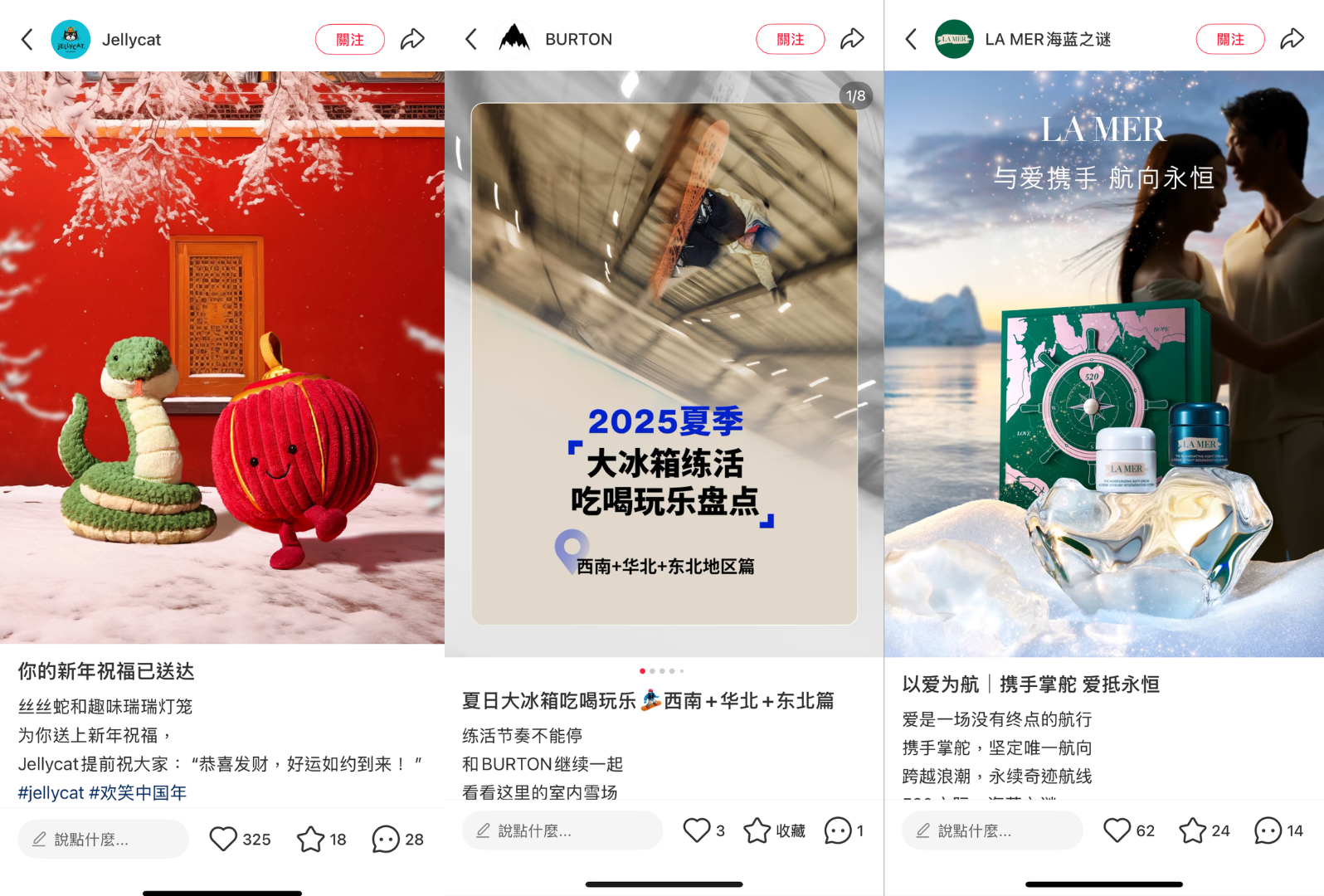 Source: Jellycat Xiaohongshu, Burton xiaohongshu, la Mer Xiaohongshu
Famous foreign brands adopting local platforms, languages and tradition on their social media platform
With mobile-first habits surging across Asia-Pacific, brands must adopt omnichannel strategies to stay competitive. The challenge lies in balancing online and offline investments while delivering consistent, personalized experiences. AsiaPac simplifies this with AI-powered tools like KOOLER AI and OptAdEasy, plus global DSP partnerships including The Trade Desk and helps businesses create cohesive journeys that boost engagement, loyalty, and conversions. Ready to elevate your brand? Partner with AsiaPac to unlock powerful omnichannel strategies — Contact us to start your journey with us today.
With an extensive digital marketing experience of serving more than 5,000 clients across the region in sectors such as education, travel and hospitality, retail, finance, Government and others, AsiaPac Group’s expert team is highly recognized for the excellence in providing performance-driven services to customers from Hong Kong, Taiwan and the PRC, and global corporates targeting Asia markets. AsiaPac has local offices across Asia Pacific regions, including Hong Kong, Mainland China, Taiwan, Japan, Korea, Singapore, Malaysia, Thailand, Vietnam, and Indonesia. If you’d like to learn more about AsiaPac and the work we’ve done, visit our cases page. For more information on AsiaPac and our services, please contact us at info@asiapac.com.hk/ info@adtechinno.com.